
Que faire de son bouquet après son mariage ? Huit façons de ne pas le laisser faner
Le lendemain du mariage , il est encore là
Il y a un moment que personne ne raconte jamais dans les mariages. C'est le lendemain matin, quand la maison est silencieuse, que les chaussures sont encore dans l'entrée et que le bouquet, posé dans un verre à dents ou une carafe empruntée, commence déjà à ployer. Les pivoines ont perdu leur tenue, l'eucalyptus s'est mis à sentir plus fort, et vous êtes là devant lui avec cette question un peu absurde et pourtant sincère : qu'est-ce que j'en fais, maintenant ?
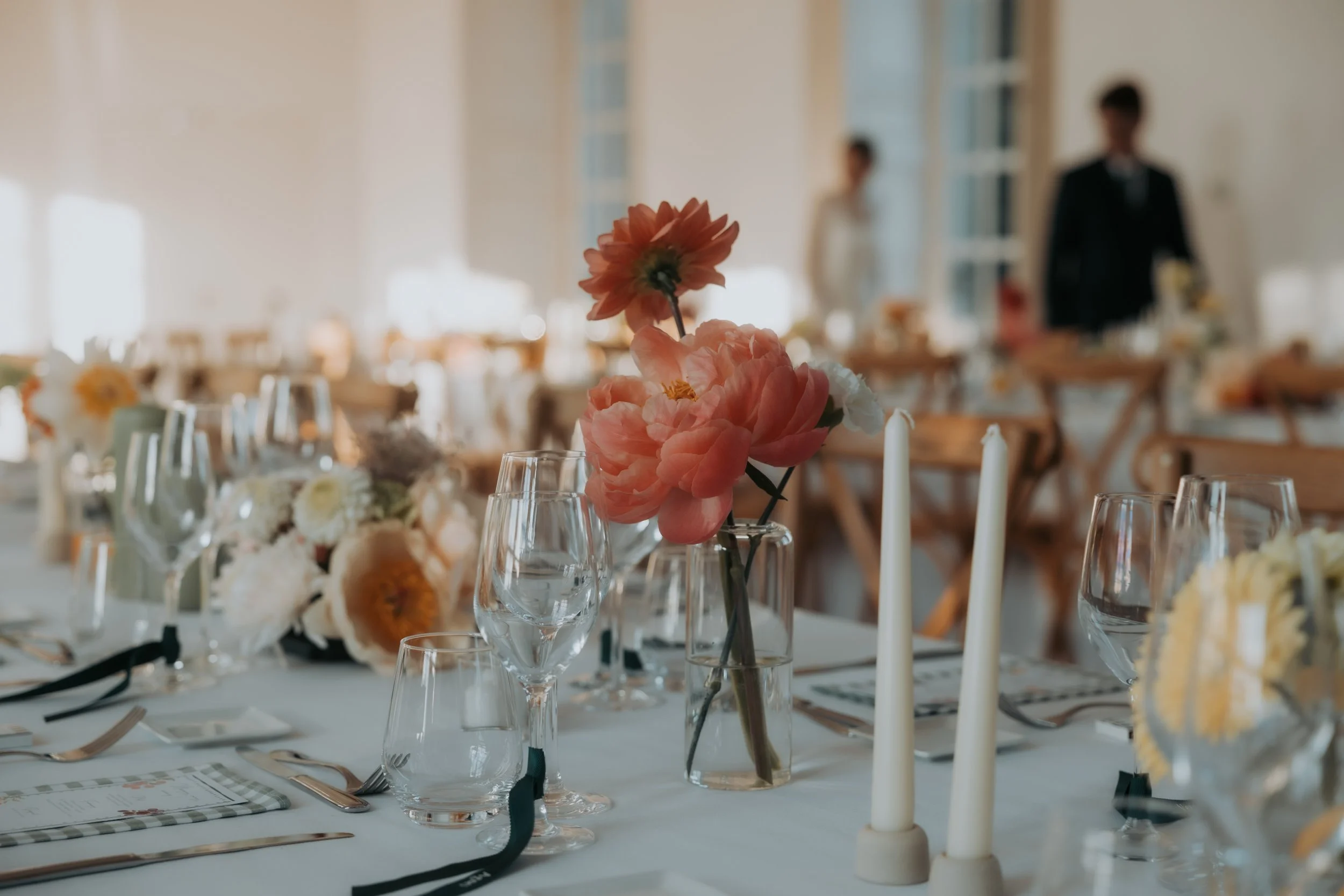
Parce qu'un bouquet de mariée, ce n'est pas une décoration. C'est l'un des très rares objets de votre journée que vous avez réellement tenu. Vous l'avez serré en marchant vers la cérémonie, vous l'avez passé à votre témoin d'un geste rapide pendant l'échange des consentements, vous l'avez repris pour les félicitations, vous avez ri en le brandissant. En reportage documentaire, je le photographie rarement seul sur une chaise. Je le photographie dans des mains qui tremblent un peu, dans un poing serré, oublié sur une table entre deux verres. C'est là qu'il raconte quelque chose.
Alors non, il ne mérite pas de finir à la poubelle du traiteur. Voici huit façons de lui donner une suite, des plus établies aux plus inattendues.
1. L'herbier encadré : la valeur sûre, mais faite par des mains expertes
C'est aujourd'hui la piste la plus demandée, et pour une bonne raison : le résultat est beau, durable et il s'accroche au mur. Le principe est simple dans son énoncé, exigeant dans son exécution. Vos fleurs sont mises sous presse pendant plusieurs semaines, puis recomposées à la main dans un cadre.
L'Atelier Herbæ, en Côte d'Or, travaille exactement dans cet esprit : presses artisanales, séchage long, composition sur mesure du format A4 aux grandes pièces murales. Même démarche chez l'Atelier Graminette en Corrèze ou à La Maison Chanteclair, qui compte six à huit semaines de presse avant l'assemblage.
Un mot de vérité sur le fait-maison : sécher soi-même son bouquet est possible, mais il faut savoir ce qu'on accepte de perdre. Les pigments virent, les fleurs charnues s'affaissent, les roses brunissent. On obtient rarement le bouquet dont on se souvient. Si votre bouquet compte vraiment, confiez-le.
À retenir : le délai est court. La plupart des ateliers demandent à recevoir les fleurs dans les 24 à 72 heures suivant la cérémonie. Cela signifie que la décision se prend avant le mariage, pas après. Réservez votre créneau quatre à six mois à l'avance, et désignez quelqu'un de confiance pour l'expédition pendant que vous êtes en voyage de noces.
2. Le bijou en résine : porter son mariage sur soi
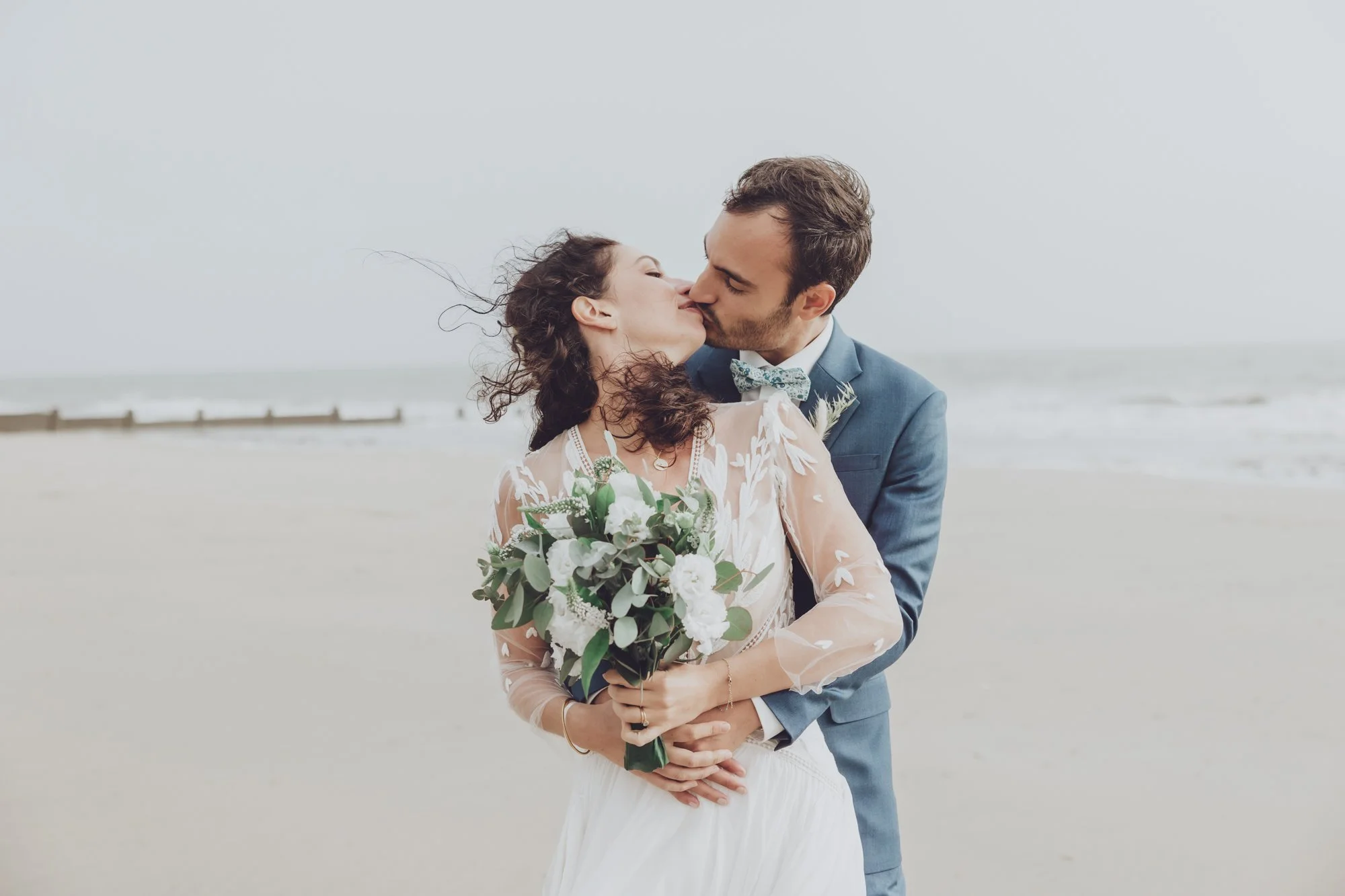
Ici, on ne garde pas le bouquet entier. On en prélève quelques pétales, un fragment de feuillage, parfois une seule fleur, et on les inclut dans de la résine pour en faire une bague, un pendentif, une paire de boucles d'oreilles. Le geste est différent de l'herbier : il ne s'agit plus de contempler, mais de porter.
C'est ce que propose Mes Petites Fleurs d'Auvergne, avec une résine biosourcée, ou Les Joyaux Purs, qui décline la technique en pièces décoratives et en accessoires.
Le vrai avantage est ailleurs, et il est souvent négligé : comme quelques fleurs suffisent, vous pouvez cumuler. Un herbier pour le mur, et cinq petits bijoux pour vos témoins, votre mère, votre grand-mère. Le bouquet cesse d'être un objet unique et devient une constellation. C'est probablement le plus beau cadeau de remerciement que vous puissiez offrir, parce qu'il ne s'achète pas.
3. L'anthotype : quand vos fleurs deviennent elles-mêmes la photographie
C'est l'idée que je préfère, et je la défends avec un parti pris assumé de photographe.
L'anthotype est un procédé photographique inventé par John Herschel en 1842. On broie des pétales, on en extrait le jus, on en enduit une feuille de papier, et ce pigment végétal devient une émulsion sensible à la lumière. On pose un négatif dessus, on expose au soleil pendant plusieurs jours ou plusieurs semaines, et une image apparaît. Une image faite avec la matière même des fleurs. Le site Tout pour le cyanotype retrace bien la technique et ses variations de teintes selon les végétaux utilisés.
Prenez une seconde pour mesurer ce que cela veut dire. Une photographie de vous deux, développée dans le jus de votre propre bouquet. Le sujet et le révélateur viennent du même jour. Il n'existe pas d'objet plus juste.
Sa cousine plus stable, le cyanotype, fonctionne autrement : on dépose les fleurs elles-mêmes sur un papier sensibilisé, on expose au soleil, et l'on obtient leur silhouette en bleu de Prusse. Moins conceptuel, plus graphique, et infiniment plus durable. Une série de trois cyanotypes de votre feuillage, encadrés en triptyque, tient tête à n'importe quelle décoration murale du commerce.
Avertissement honnête : l'anthotype s'efface avec le temps s'il reste exposé à la lumière. Certains y verront un défaut. J'y vois exactement le contraire, une œuvre qui accepte de vieillir avec vous plutôt que de prétendre à l'éternité. À vous de choisir votre rapport au temps.
4. Le tableau : faire peindre, ou faire superposer
La tradition ancienne consistait à confier son bouquet à un peintre, qui en tirait une nature morte. Cela existe toujours et cela reste magnifique, à condition de choisir un artiste dont la main vous parle vraiment.
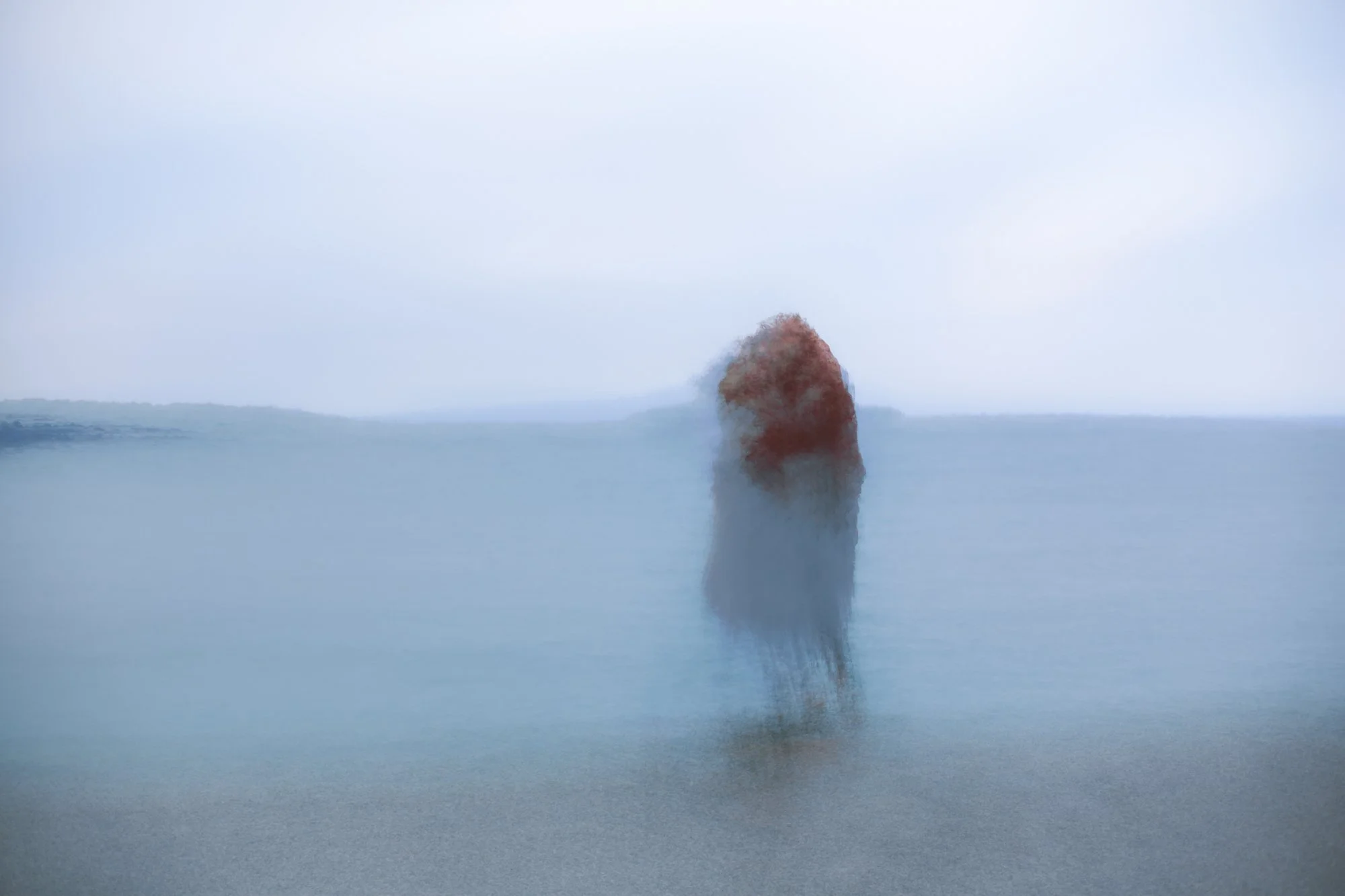
Il existe une variante photographique, et c'est le terrain sur lequel je travaille dans mes Errances : la superposition. Plutôt qu'une image du bouquet, on en réalise plusieurs centaines, sous tous les angles, à toutes les heures, pendant les jours où il fane. Puis on les empile. Ce qui apparaît n'est plus une photographie, c'est une matière picturale, un flottement de couleurs qui ressemble davantage à un souvenir qu'à un document. Parce qu'un souvenir, justement, n'est jamais une image nette. C'est une superposition.
C'est aussi la seule technique de cette liste qui accueille le fanage au lieu de le combattre. Le bouquet meurt pendant la prise de vue, et cette mort est dans l'œuvre.
5. L'empreinte textile : teindre votre soie avec vos propres fleurs
L'eco-print consiste à enrouler des fleurs et des feuilles dans un tissu, à le lier serré, puis à le passer à la vapeur. Les pigments migrent dans la fibre et laissent l'empreinte exacte des végétaux, nervures comprises.
Imaginez ce que cela permet : votre voile, une écharpe de soie, un carré destiné à emmailloter un premier enfant, teints par les fleurs de votre mariage. Là encore, l'objet n'est pas décoratif, il est vivant, il se porte, il circule. Cherchez un atelier de teinture végétale près de chez vous, la pratique s'est beaucoup développée en France ces dernières années, et beaucoup acceptent les commandes sur mesure à partir de végétaux fournis.
6. Le papier fait main : des remerciements qui contiennent le bouquet
Vos pétales peuvent être intégrés à de la pâte à papier et devenir des feuilles à la texture irrégulière, mouchetée, superbe. Vous y imprimez ensuite vos cartes de remerciement. Vos invités reçoivent alors, sans même le savoir, un morceau de votre bouquet.
Poussez la logique un cran plus loin avec le papier ensemencé, qui contient des graines et se plante après lecture. Vos remerciements finissent en fleurs dans les jardins de ceux que vous aimez. C'est une idée qui prend un an à se réaliser complètement, et c'est précisément ce qui la rend belle.
Note technique : ce papier n'aime ni les photographies ni les grands aplats d'encre, qui empêchent les graines de germer. Prévoyez un design en trait, une typographie, un dessin léger. Gardez vos photos pour les tirages.
7. Le don : faire sortir les fleurs de la fête
Toutes les fleurs de votre mariage ne tiennent pas dans un cadre. Il y a les centres de table, les compositions d'entrée, l'arche. En moyenne, plusieurs centaines d'euros de végétaux qui finissent abandonnés sur le lieu de réception.
Des initiatives organisent leur redistribution vers les EHPAD et les établissements de santé, comme l'opération portée par l'agence Jules et Moi, qui prend en charge la livraison et les autorisations administratives. Renseignez-vous en amont auprès des établissements proches de votre lieu, en vérifiant leurs contraintes sanitaires, qui varient beaucoup d'un service à l'autre.
Gardez votre bouquet, offrez le reste. Le lendemain de votre plus beau jour, des chambres qui n'attendaient rien reçoivent des fleurs. Il faut avoir vu ça une fois pour comprendre ce que ça vaut.
8. Le photographier vraiment, avant qu'il ne soit trop tard
Je garde celle-ci pour la fin parce qu'elle ne coûte rien et que presque personne n'y pense.
Quel que soit le sort que vous réservez à votre bouquet, il existera plus longtemps en image qu'en fleurs. Or la plupart des mariées n'ont de leur bouquet que des plans larges, où il apparaît de trois quarts, flou, dans le mouvement d'une journée. C'est normal, et c'est même souhaitable : en reportage documentaire, je photographie ce qui se passe, pas ce qui pose.
Mais le lendemain matin est un temps différent. La lumière est calme, la maison est vide, le bouquet est encore là. Posez-le près d'une fenêtre, sur un drap froissé, sur le sol d'une pièce claire. Photographiez-le de près, en lumière naturelle, sans flash. Vous obtiendrez en dix minutes les images qui manqueront à votre album, celles que vous regarderez dans vingt ans en vous rappelant l'odeur.
C'est exactement ce que j'enseigne dans mes ateliers de photographie : voir la lumière, choisir une profondeur de champ, composer sans artifice. Le bouquet du lendemain est le premier exercice que je donnerais à n'importe qui.
Ce qu'il faut décider avant le jour J
Toutes les options de cette liste, sauf la dernière, se préparent en amont. C'est le point que les mariées découvrent trop tard.
Prévenez votre fleuriste dès la commande que le bouquet sera conservé : elle pourra vous orienter vers des variétés qui pressent et sèchent bien, et éviter celles qui noircissent. Réservez votre atelier de préservation quatre à six mois avant la cérémonie, car les créneaux d'été partent vite. Désignez une personne, témoin, sœur, mère, chargée de récupérer le bouquet en fin de soirée, de le conserver dans un endroit frais et sombre, et de l'expédier dans les 72 heures. Le soir même, coupez les tiges en biseau, remettez-le dans l'eau, tenez-le loin des radiateurs, des fenêtres plein sud et des corbeilles de fruits, dont l'éthylène accélère le flétrissement.
Et si tout cela vous paraît une charge mentale de trop dans une journée déjà pleine, il y a une réponse parfaitement acceptable : le laisser faner. Certaines choses sont belles parce qu'elles finissent. Ce que vous garderez, ce sont les images.
Le bouquet est un objet, le mariage est un récit
Voilà le fond de ma pensée. Un herbier, un bijou, un cyanotype, ce sont des reliques, et les reliques sont précieuses. Mais aucune d'entre elles ne vous rendra le regard de votre père quand vous êtes entrée, ni le rire de votre témoin, ni cette main sur votre dos au milieu de la piste.
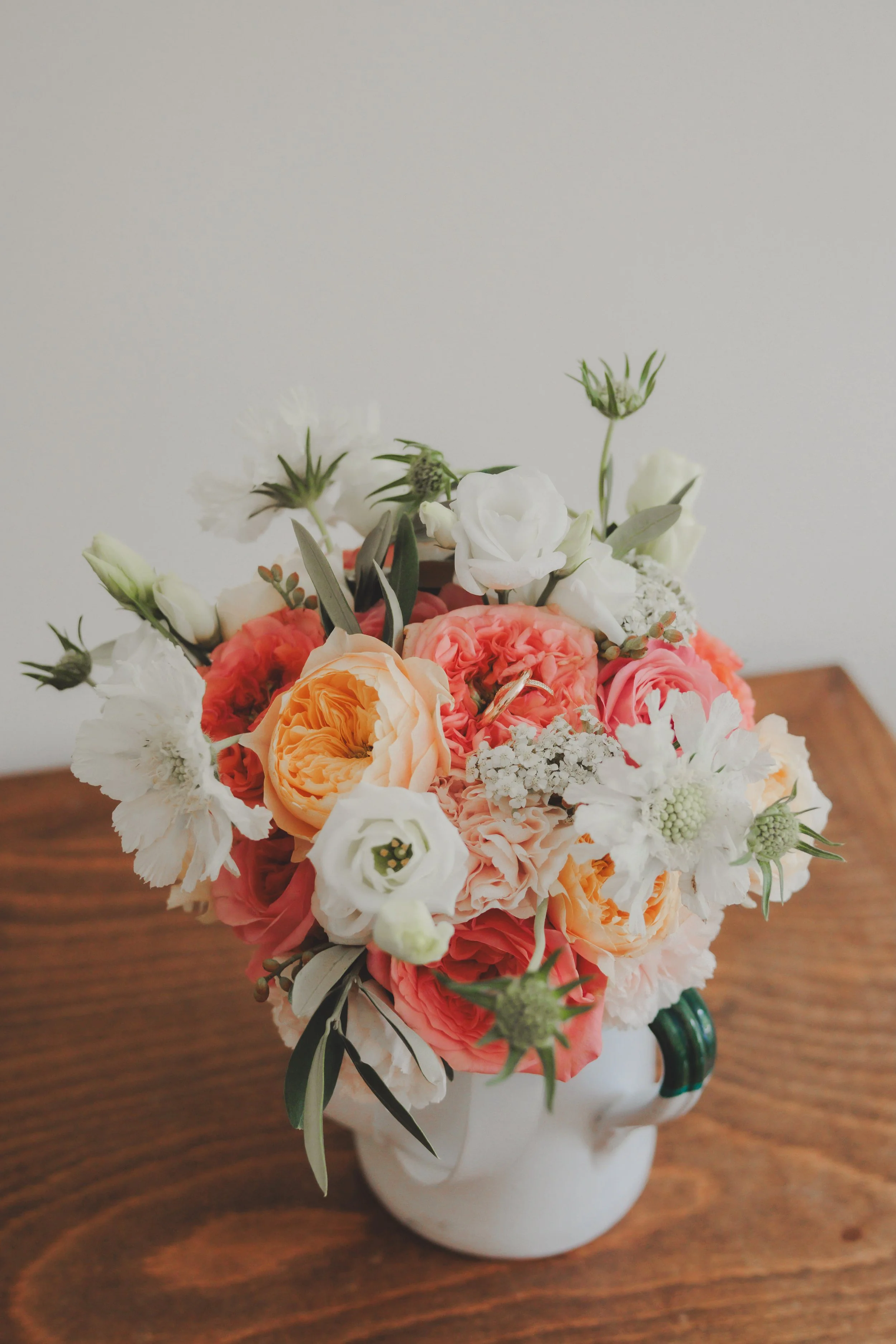
C'est ce que je photographie en tant que photographe de mariage . Pas des poses, pas des fleurs disposées à la lumière parfaite : des gens tels qu'ils sont, dans une journée qui ne repassera pas. Si cette approche vous parle, je serais heureuse d'en discuter avec vous.
Vous vous mariez bientot et êtes à la recherche d’une photographe de mariage ? Contactez moi !
FAQ
Combien de temps a-t-on pour conserver son bouquet de mariée ? Entre 24 et 72 heures après la cérémonie. Au-delà, les fleurs les plus fragiles sont déjà trop abîmées pour être pressées ou séchées correctement. La préservation se décide donc avant le mariage.
Peut-on faire sécher son bouquet de mariée soi-même ? Oui, en le suspendant tête en bas dans un endroit sec, sombre et aéré pendant deux à trois semaines. Le résultat sera cependant plus terne et plus fragile qu'un séchage sous presse professionnel, avec un brunissement fréquent des fleurs charnues comme les roses et les pivoines.
Combien coûte la préservation d'un bouquet de mariée ? Les tarifs varient fortement selon la technique et le format, généralement de 150 euros pour un petit herbier encadré à plus de 650 euros pour une conservation professionnelle complète en grand format.
Quelles fleurs se conservent le mieux ? Les fleurs à pétales fins et à faible teneur en eau tiennent le mieux : lavande, statice, gypsophile, achillée, eucalyptus, graminées, hortensia. Les fleurs très charnues et gorgées d'eau, comme les pivoines ou les lys, sont les plus délicates à préserver.
Que faire des fleurs de décoration après le mariage ? Elles peuvent être redistribuées aux invités en fin de soirée, données à un EHPAD ou un établissement de santé proche, ou compostées par le lieu de réception. Prévoyez cette logistique en amont avec votre wedding planner ou votre lieu.